Feature Article

The constitutional reform, securing a legislative supermajority, now heads to state congresses for final ratification.

Published:

Mexico

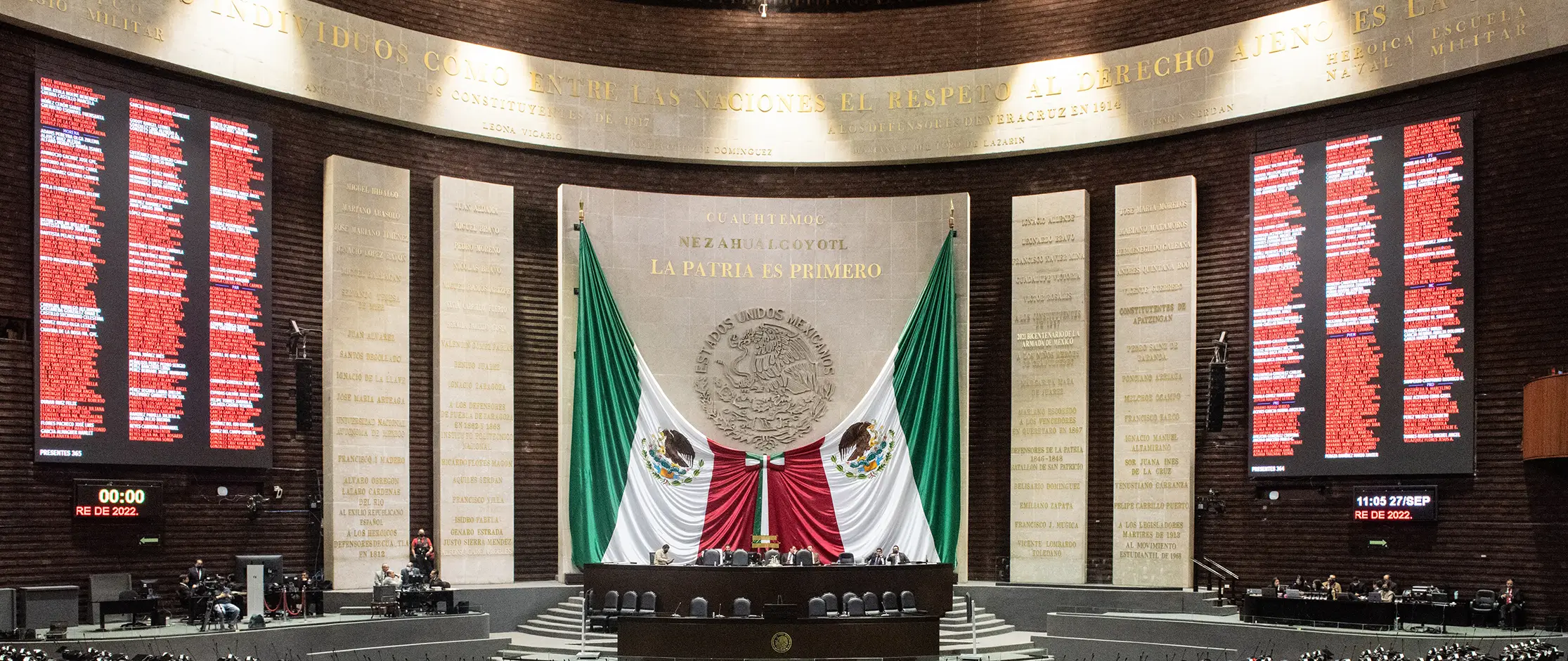
A view of the Mexican Senate floor during a session where lawmakers debated and approved the constitutional reform on dual nationality.

LATEST ARTICLES

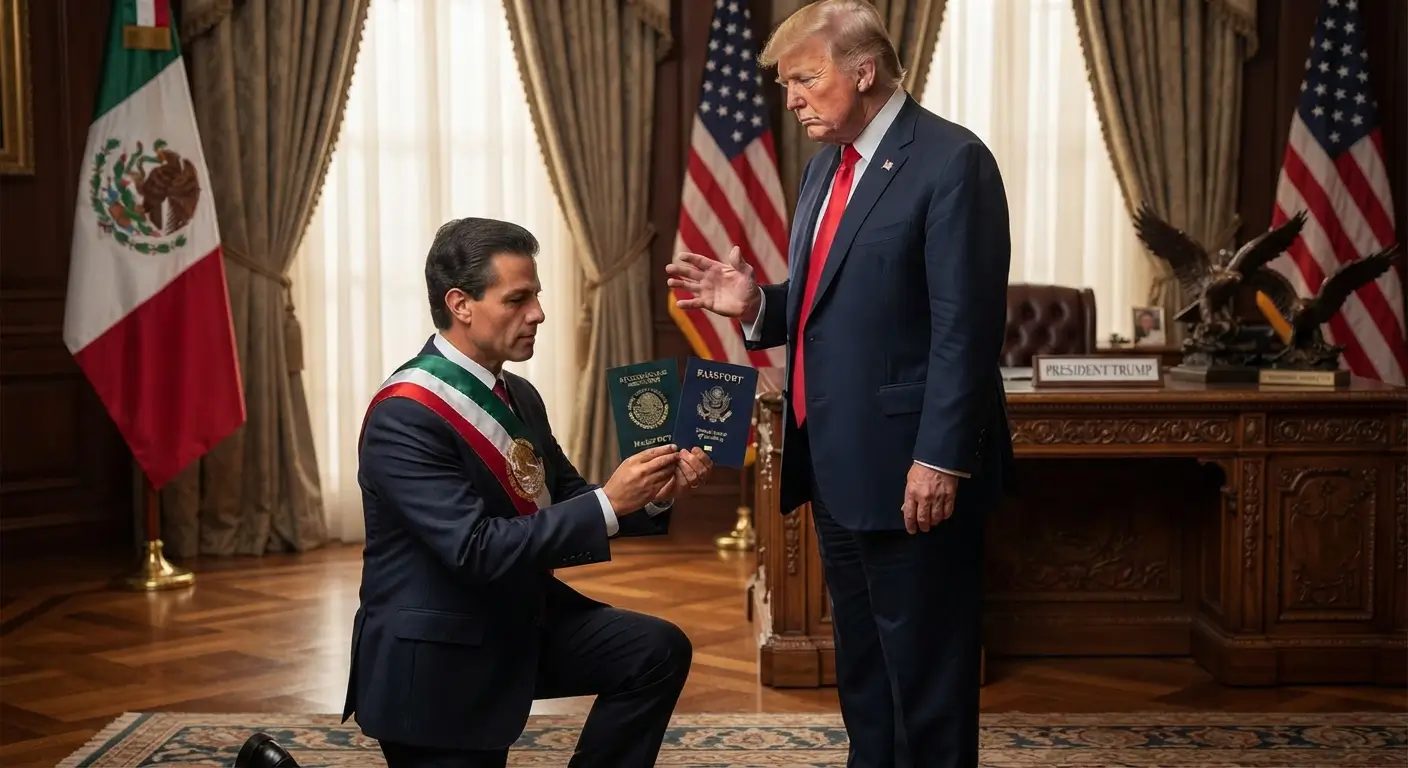
A man wearing a Mexican presidential sash kneels while holding out passports to Donald Trump in an office with Mexican and US flags.

Op-Ed

Larry Rubin’s fierce opposition to ban dual citizenship for high-level public office exposes political operators who answer to Washington before Mexico.

Published:
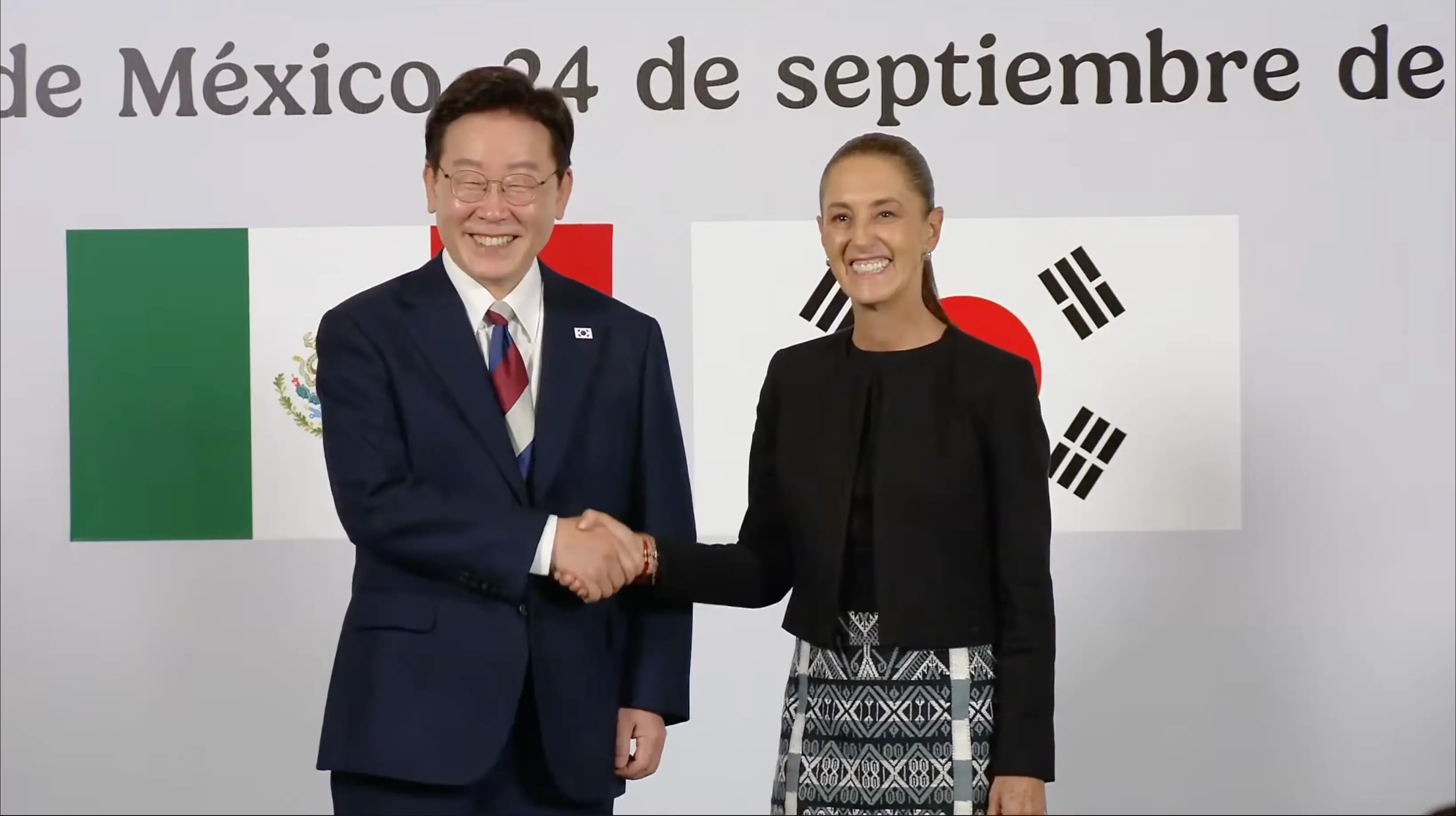
Mexican and South Korean leaders shaking hands during a diplomatic meeting.

Mexico

Presidents Sheinbaum and Lee sign a 2026–2030 roadmap to strengthen trade, advanced industries, and strategic ties.

Published:

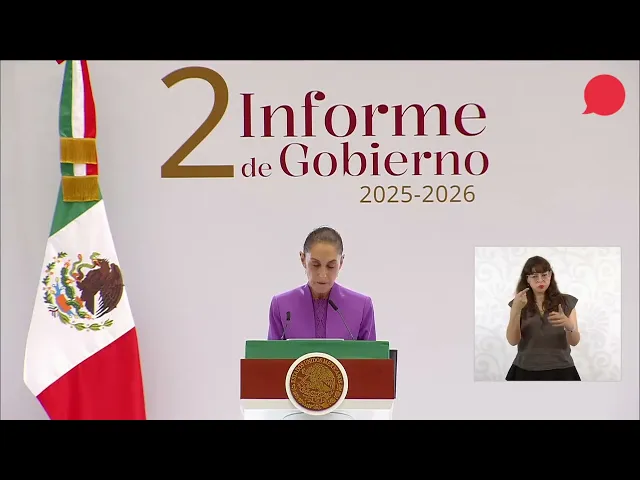
President Claudia Sheinbaum at the "La Mañanera" press conference.

Mexico

The company’s largest global manufacturing plant is growing even bigger, bringing new jobs and strengthening Mexico's industrial ecosystem through 2029.

Published:
The Chamber of Deputies approved the constitutional reform that bans individuals with dual nationality from running for the presidency, governorships, and the Head of Government of Mexico City. On Tuesday, after nearly 11 hours of discussion, the constitutional reform proposed by President Claudia Sheinbaum passed with 334 votes in favor from Morena (the governing party) and its allies—the Labor Party (PT) and the Green Party of Mexico (PVEM)—109 votes against from the National Action Party (PAN), the Institutional Revolutionary Party (PRI), and Citizen Movement Party (MC), and one abstention from independent deputy Guadalupe Mendoza Arias. The reform now passes to the Senate for discussion; if approved, it will be sent to local congresses and must be ratified by at least 17 of the 32 state congresses. The constitutional reform amends Articles 82, 116, and 122, which establish that in addition to being Mexican by birth and meeting other constitutional requirements, those who seek to run for president must not hold any other nationality, or if they do, must renounce it before applying to register as candidates. President Claudia Sheinbaum commented on the approval of the reform in the Chamber of Deputies during her morning press conference on Wednesday and pushed back against criticism from the opposition, which alleged that the reform strips rights from Mexicans living abroad: “Consider a Mexican family that went to the U.S. for work and had children there; those children can acquire Mexican nationality, but they cannot become President of Mexico because they were not born in the country. As for Mexicans who went to the U.S. to work and acquired U.S. citizenship—there is no prohibition against that; they could even hold four nationalities—the issue is if they want to become President of Mexico.” She went on to say that when someone is president, they pledge allegiance to a people, to a flag, and to history; they do not pledge allegiance to another State.  Imagen: Wikipedia

Mexico

The reform proposed by President Claudia Sheinbaum advances to the Senate, while Sheinbaum defends the measure against opposition criticism.

Published:

Mexican flag with a dragon and bald eagle facing each other over a mountainous landscape.

Mexico

Beijing’s diplomatic mission accuses Washington of lacking basic courtesy and turning national celebrations into a geopolitical pawn.

Published:
RECOMMENDED VIDEOS

"It's Truly Interesting": Sheinbaum Breaks Silence on Trump-Xi Meeting

"It's Truly Interesting": Sheinbaum Breaks Silence on Trump-Xi Meeting

Sheinbaum: "Sovereignty is not negotiated, it is not surrendered, and it is not shared.”